
The Benefits of Cork as an Environmentally Friendly Material Choice

In today’s world, where sustainability and eco-friendliness are becoming increasingly important, the choice of materials used in products plays a crucial role. One such material that stands out for its eco-friendly properties is cork. Cork is not only a renewable and biodegradable material but also offers a range of benefits that make it an excellent choice for various applications.
Renewable and Sustainable
Cork is harvested from the bark of cork oak trees, primarily found in the Mediterranean region. The harvesting process is sustainable as only the outer bark is removed, allowing the tree to regenerate its bark over time. This makes cork a renewable resource that can be harvested every 9-12 years without causing harm to the tree.
Biodegradable and Recyclable
Unlike synthetic materials that can take hundreds of years to decompose, cork is biodegradable. When disposed of, cork products break down naturally without releasing harmful toxins into the environment. Additionally, cork is recyclable and can be reused in various ways, reducing waste and promoting a circular economy.
Insulating Properties
Cork is known for its excellent insulating properties, making it a popular choice for flooring, wall tiles, and insulation panels. Its cellular structure traps air, providing thermal and acoustic insulation, which can help reduce energy consumption and create a more comfortable living or working environment.
Water-Resistant and Lightweight
Due to a natural substance called suberin present in cork, it is resistant to moisture, mold, and mildew, making it ideal for use in humid or wet environments. Despite its durability, cork is lightweight, making it easy to handle and transport, reducing carbon emissions associated with transportation.
Versatile and Aesthetically Pleasing
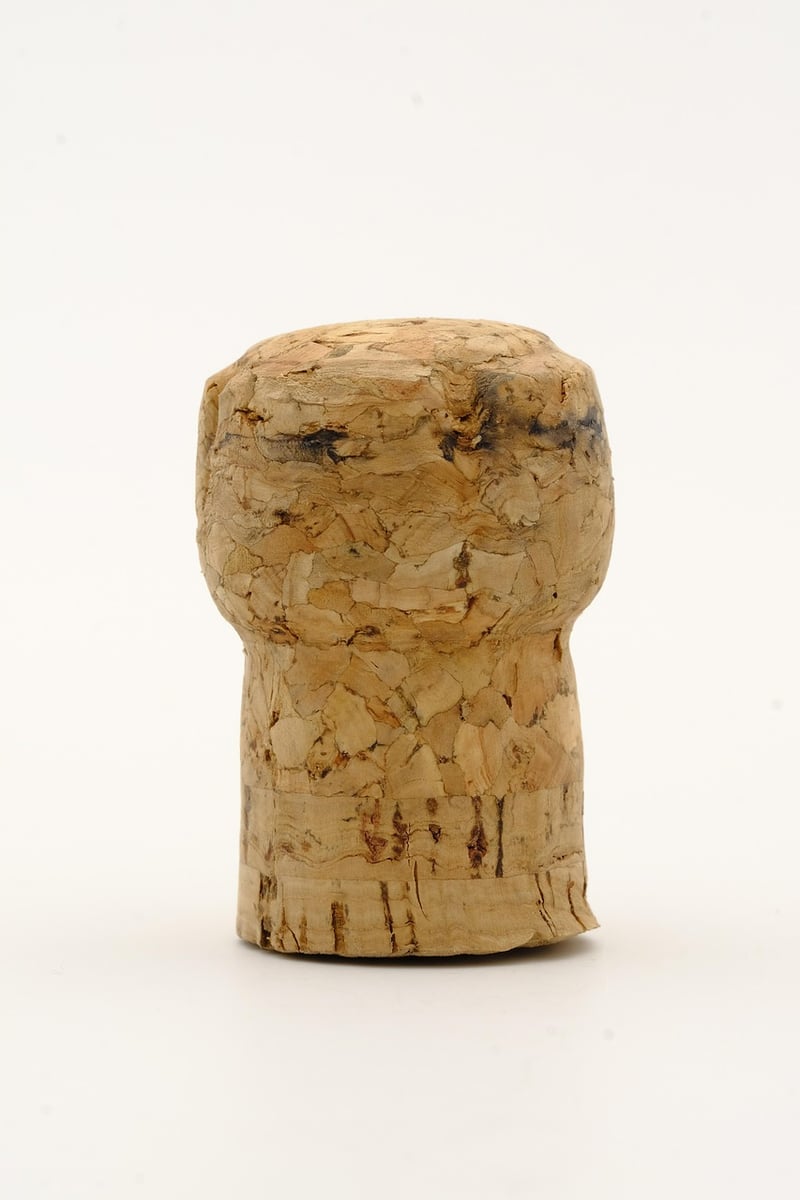
From flooring and wall coverings to fashion accessories and wine stoppers, cork is a versatile material that can be molded and shaped into various products. Its unique texture, natural patterns, and warm tones give products a distinct aesthetic appeal, adding a touch of elegance to any design.
Conclusion
Choosing cork as a material not only benefits the environment but also offers a range of practical advantages. Its renewable nature, biodegradability, insulating properties, water resistance, and versatility make it a sustainable choice for eco-conscious consumers and designers looking to create products that are both functional and environmentally friendly.
Make the switch to cork today and contribute to a greener and more sustainable future!
References: Cork Forest Conservation Alliance